An observatory in your browser
Look up. Then find out why.
Short lessons, working simulations and real telescope images, from tonight's Moon out to the edge of the observable universe. Free, works offline, in English, French and Arabic.
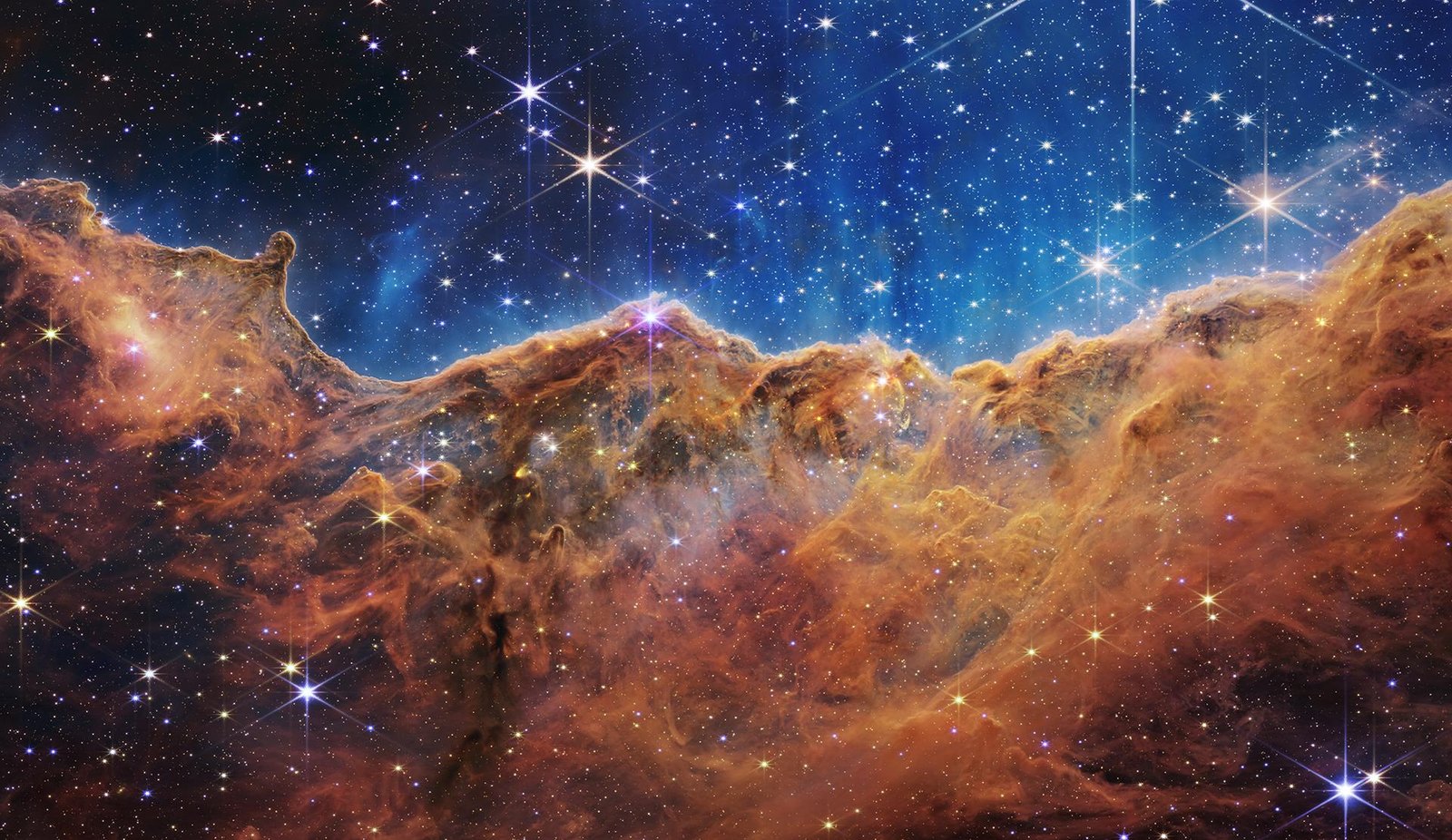
Photograph: the Cosmic Cliffs of the Carina Nebula. NASA, ESA, CSA, STScI (Webb).
Continue learning
Four ways in
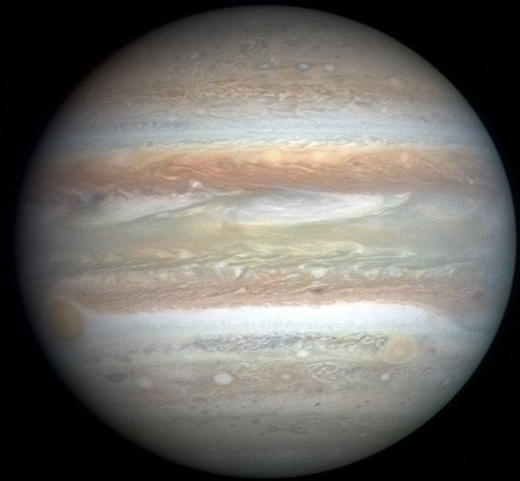
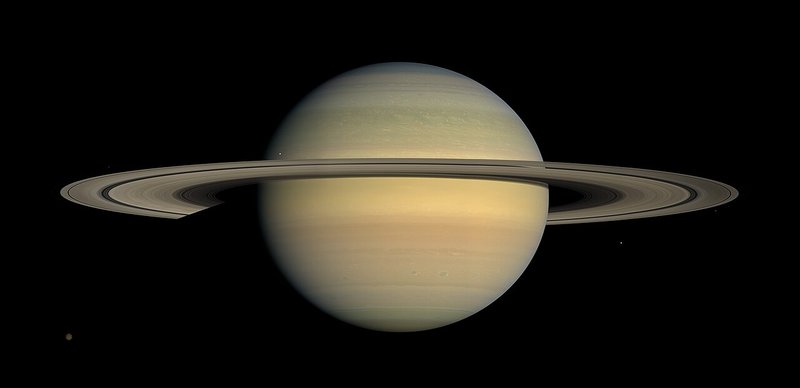
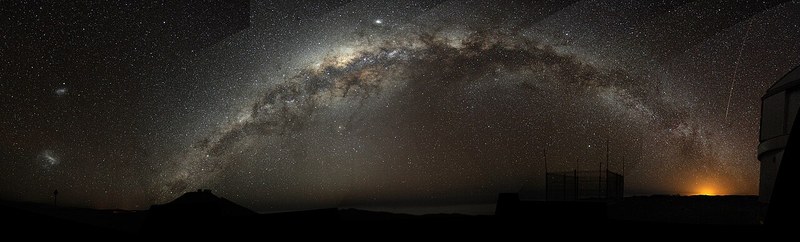
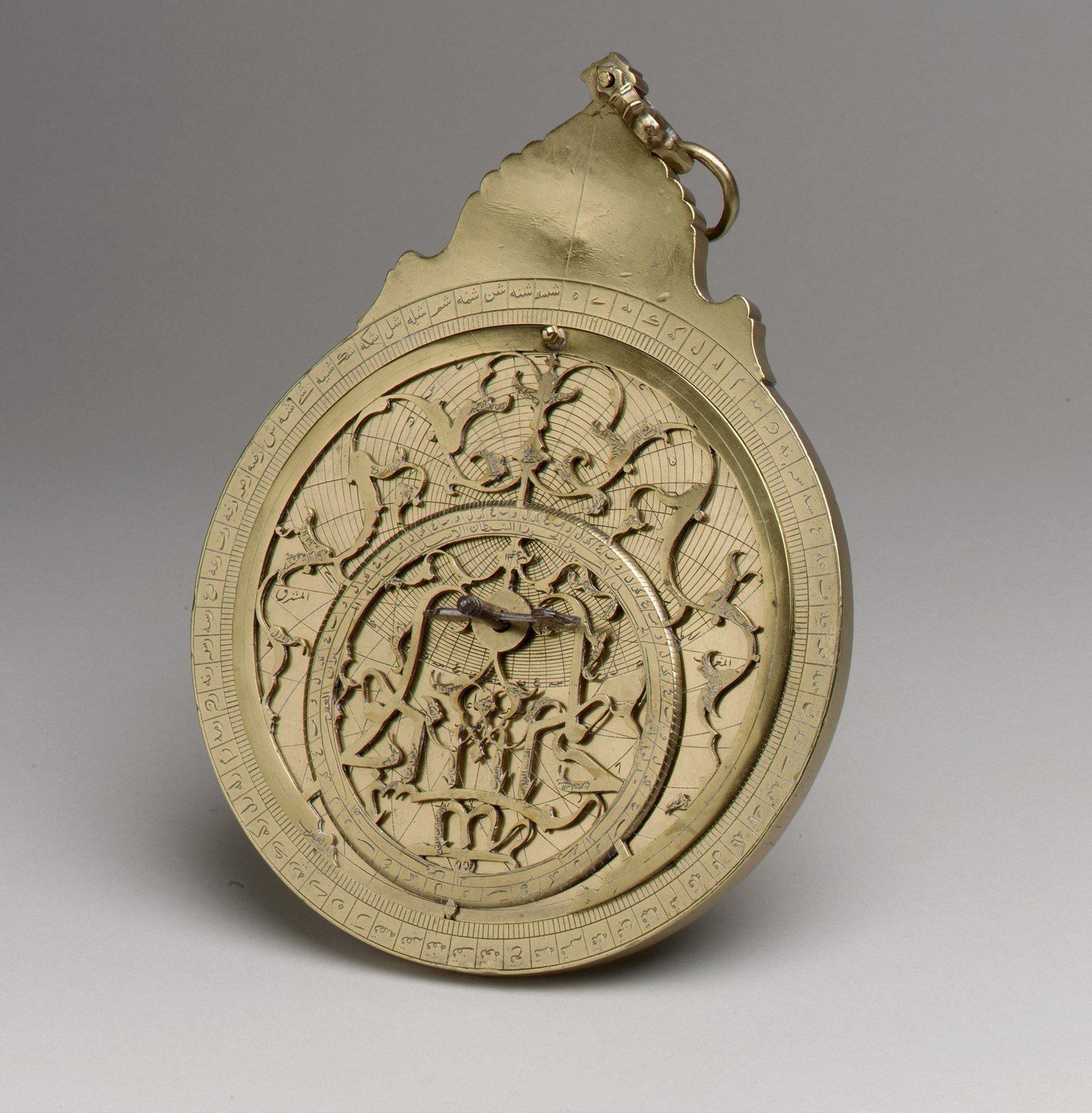
Photographs: NASA (New Horizons); NASA/JPL (Cassini); B. Gilli/ESO (CC BY 4.0); The Metropolitan Museum of Art (CC0).
How far do you want to go?
Ordered by distance. The scale under each card is logarithmic: every step along it is roughly ten times further than the last.
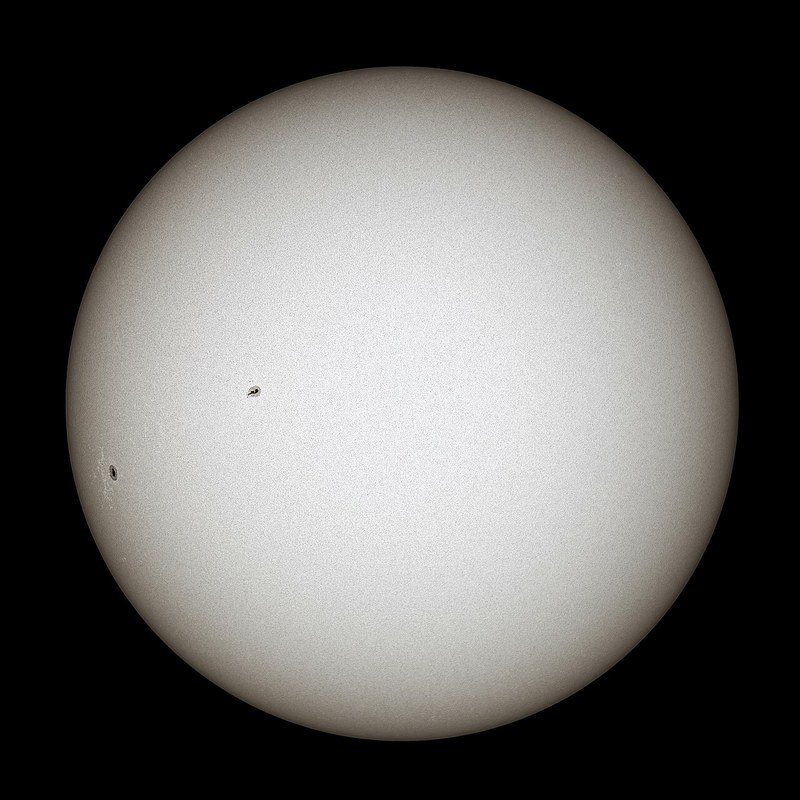
Solar System
The Sun, eight planets, moons and dwarf planets.
8 light-minutes to the Sun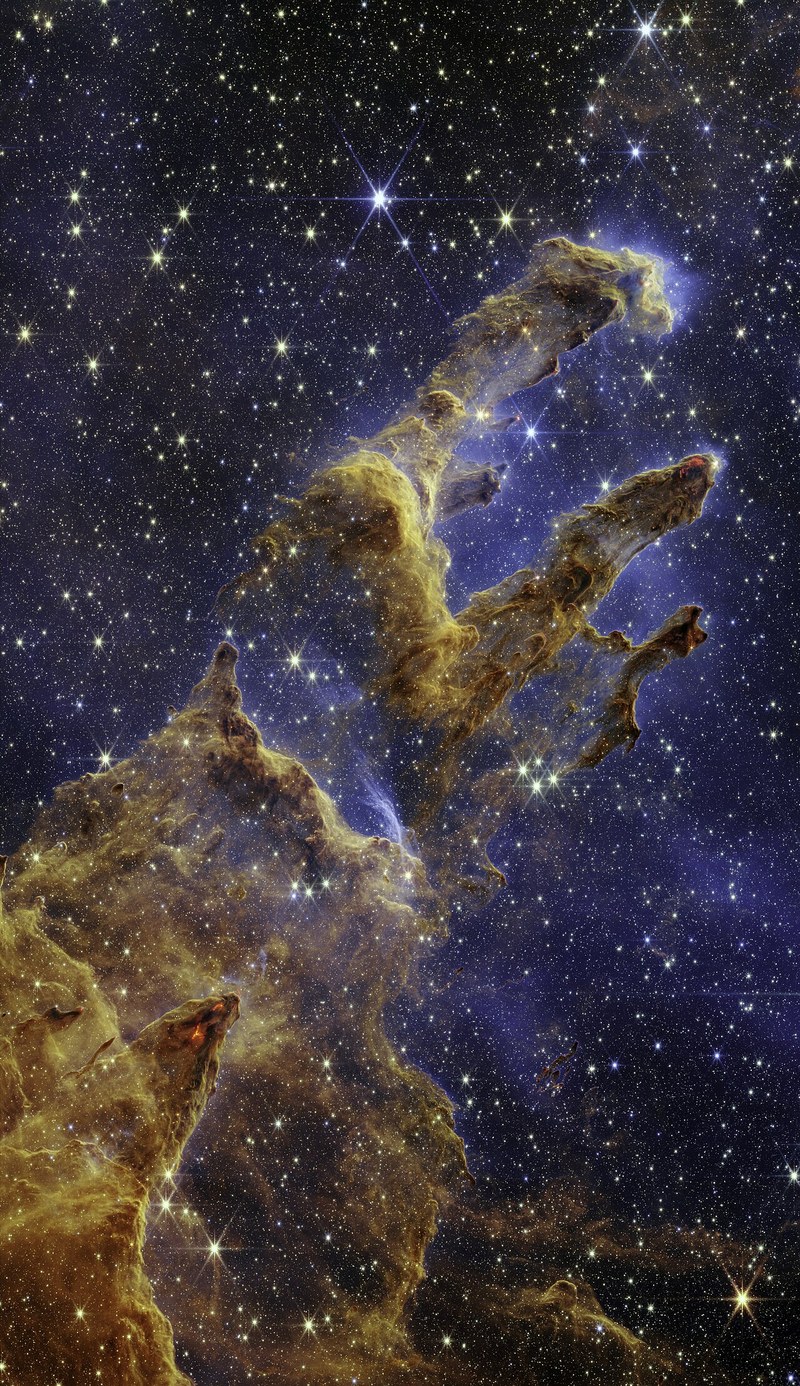
Stars
How stars are born, live and die.
4.2 light-years to the nearest star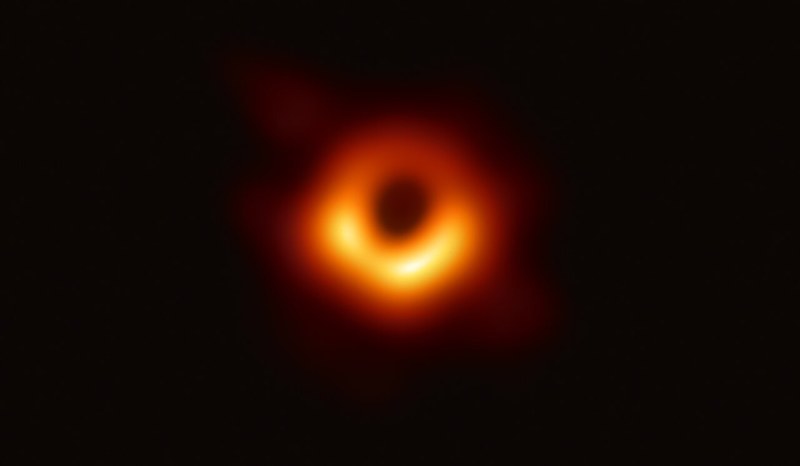
Black Holes
Where gravity is so strong even light is trapped.
1,560 light-years to the nearest one we know of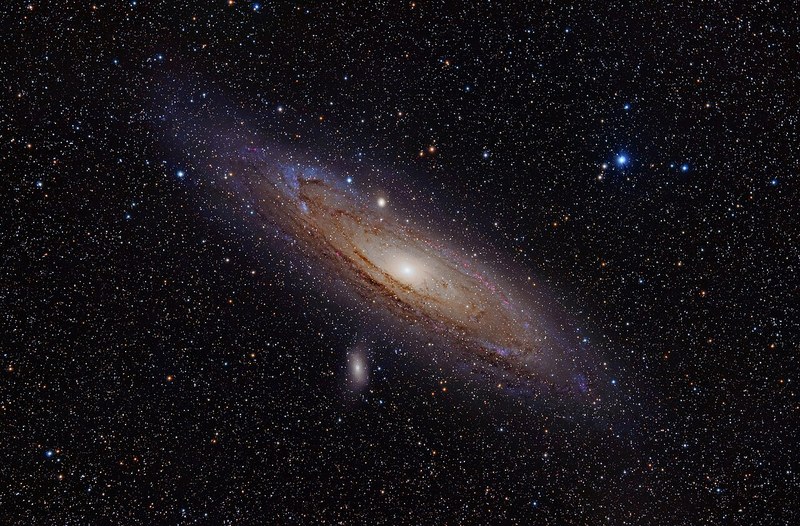
Galaxies
The Milky Way and the shapes of galaxies.
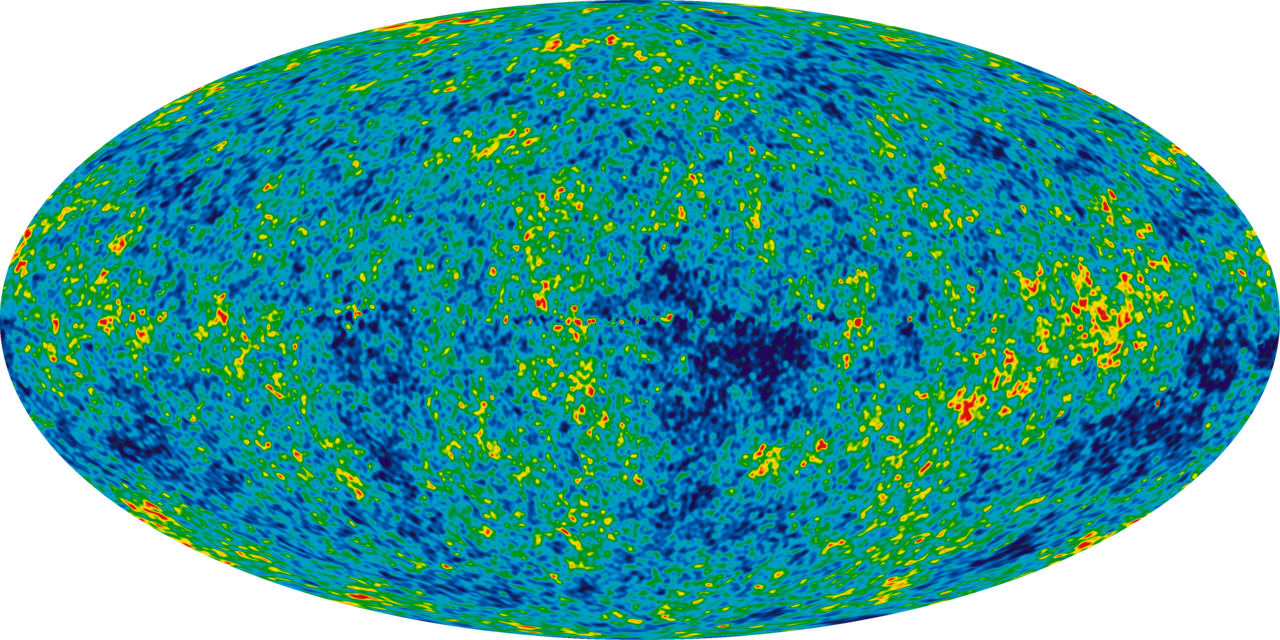
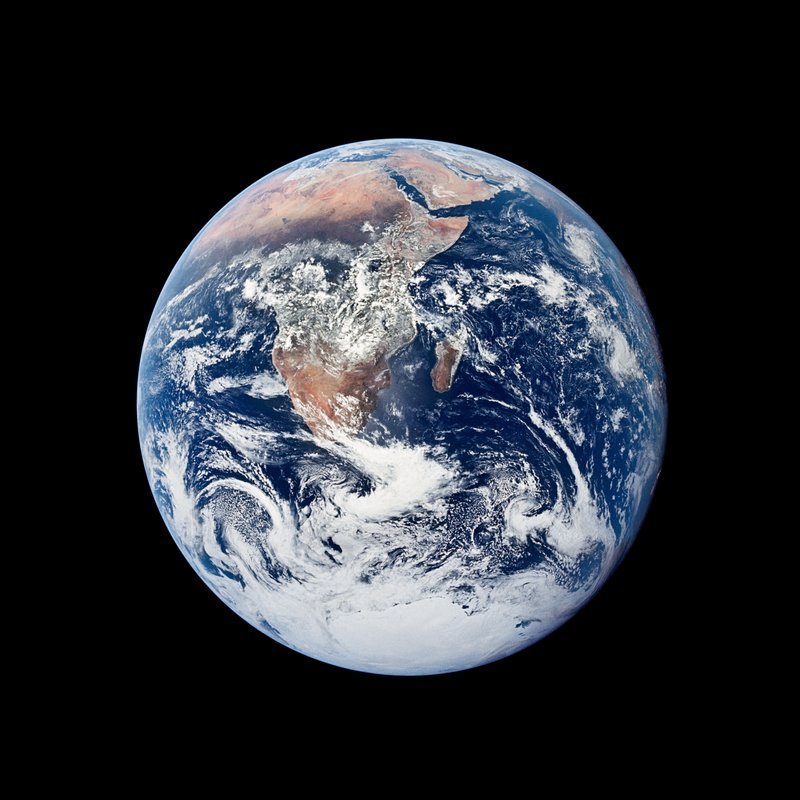
2.5 million light-years to AndromedaPhotographs: M. Motlo (CC BY-SA 4.0); NASA, ESA, CSA, STScI (Webb); Event Horizon Telescope Collaboration (CC BY 4.0); A. Evans (CC BY 2.0); NASA/WMAP; NASA (Apollo 17); B. Gilli/ESO (CC BY 4.0), via Wikimedia Commons.
Images and data from NASA ESA Event Horizon Telescope LIGO Wikimedia Commons
Ideas and journeys
The reasoning behind what you are looking at, and the story of how anyone worked it out.
Learning paths
Guided sequences that build up an idea step by step.
Photographs: NASA/JPL (Cassini); NASA, ESA, J. Hester, A. Loll; Event Horizon Telescope Collaboration (CC BY 4.0); NASA/ESA (Hubble); NASA/WMAP; ESA (Rosetta/OSIRIS, CC BY-SA 3.0 IGO).